Aménagement urbain de l’île de Bango Soua
Localisation :
Bangui
Client :
MINISTÈRE DES TRAVAUX PUBLICS – PARTENARIAT PUBLIC-PRIVÉ (PPP) – République centrafricaine
Surface :
2 000 000 m²
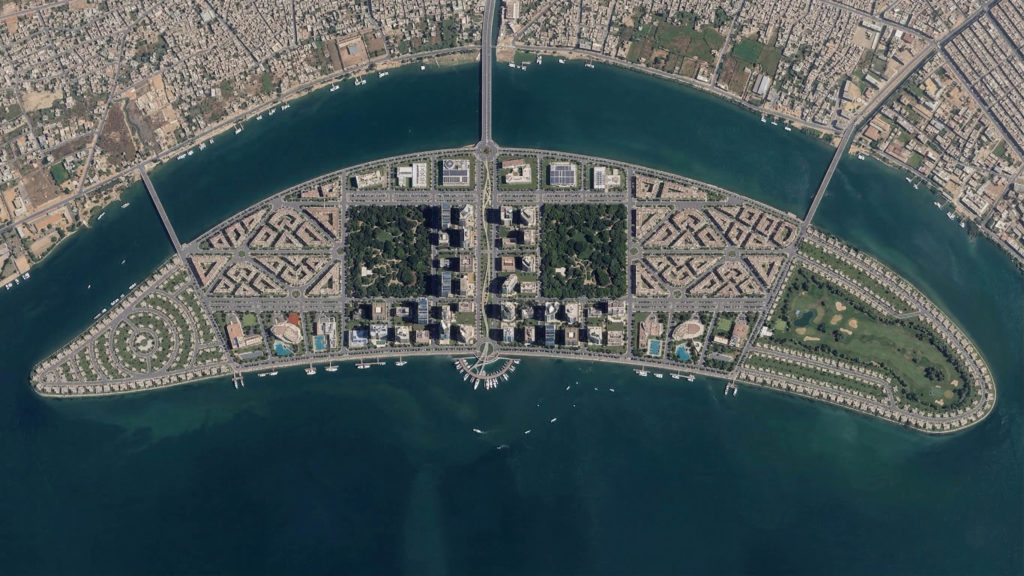
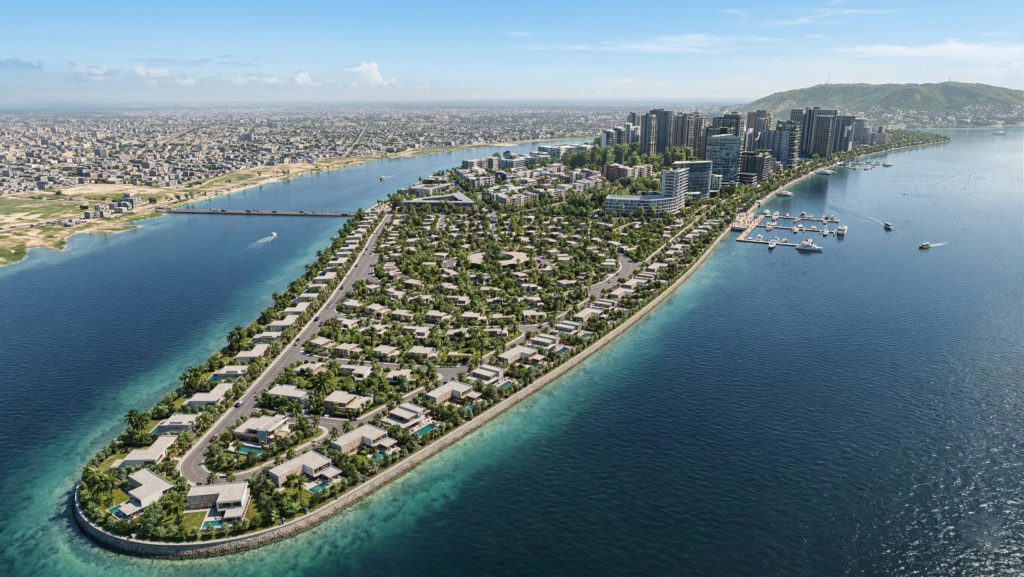
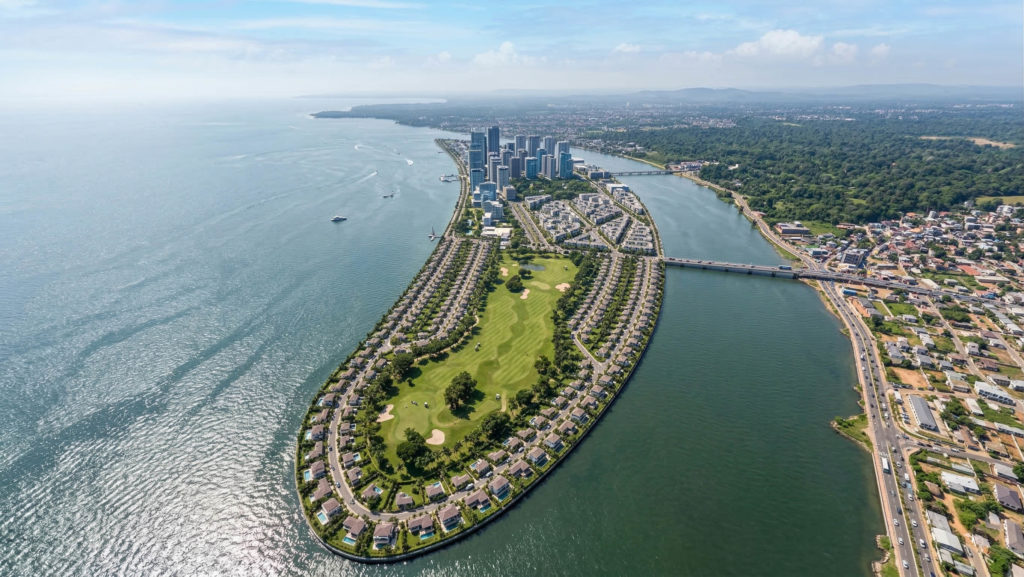
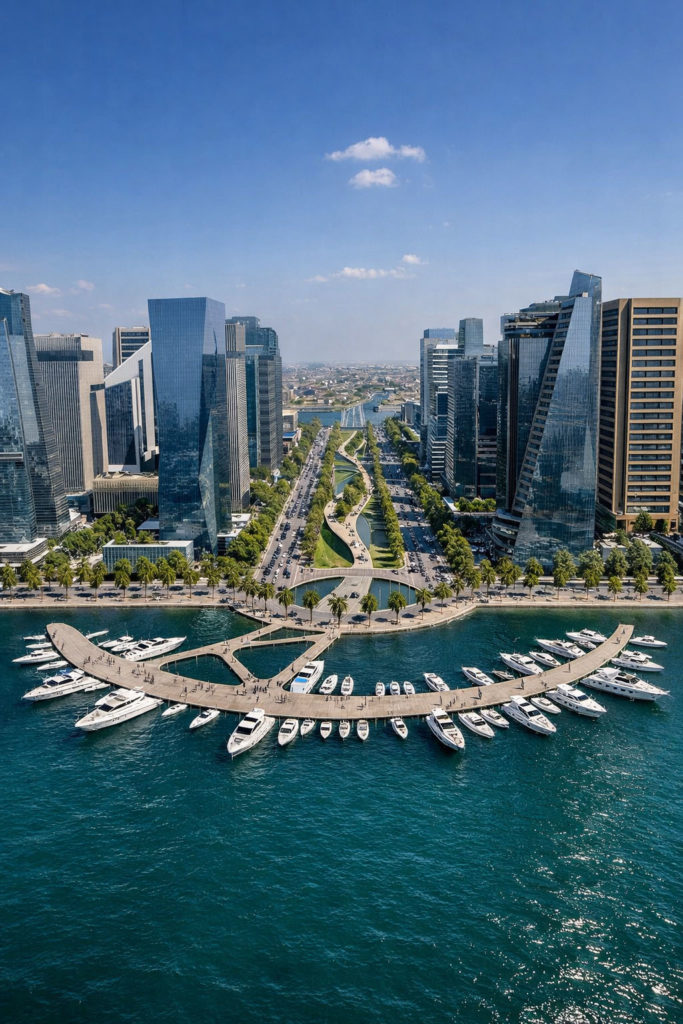
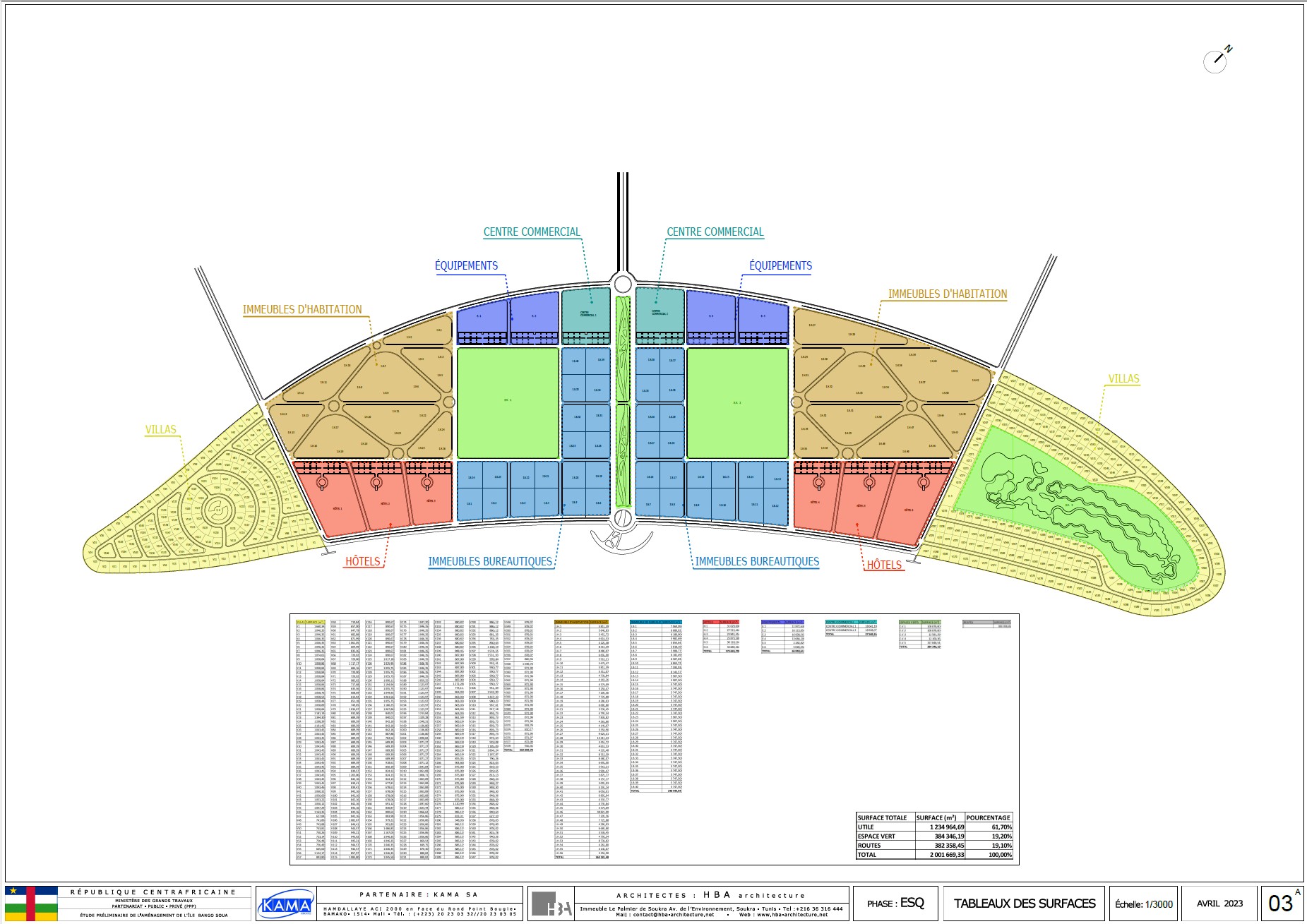
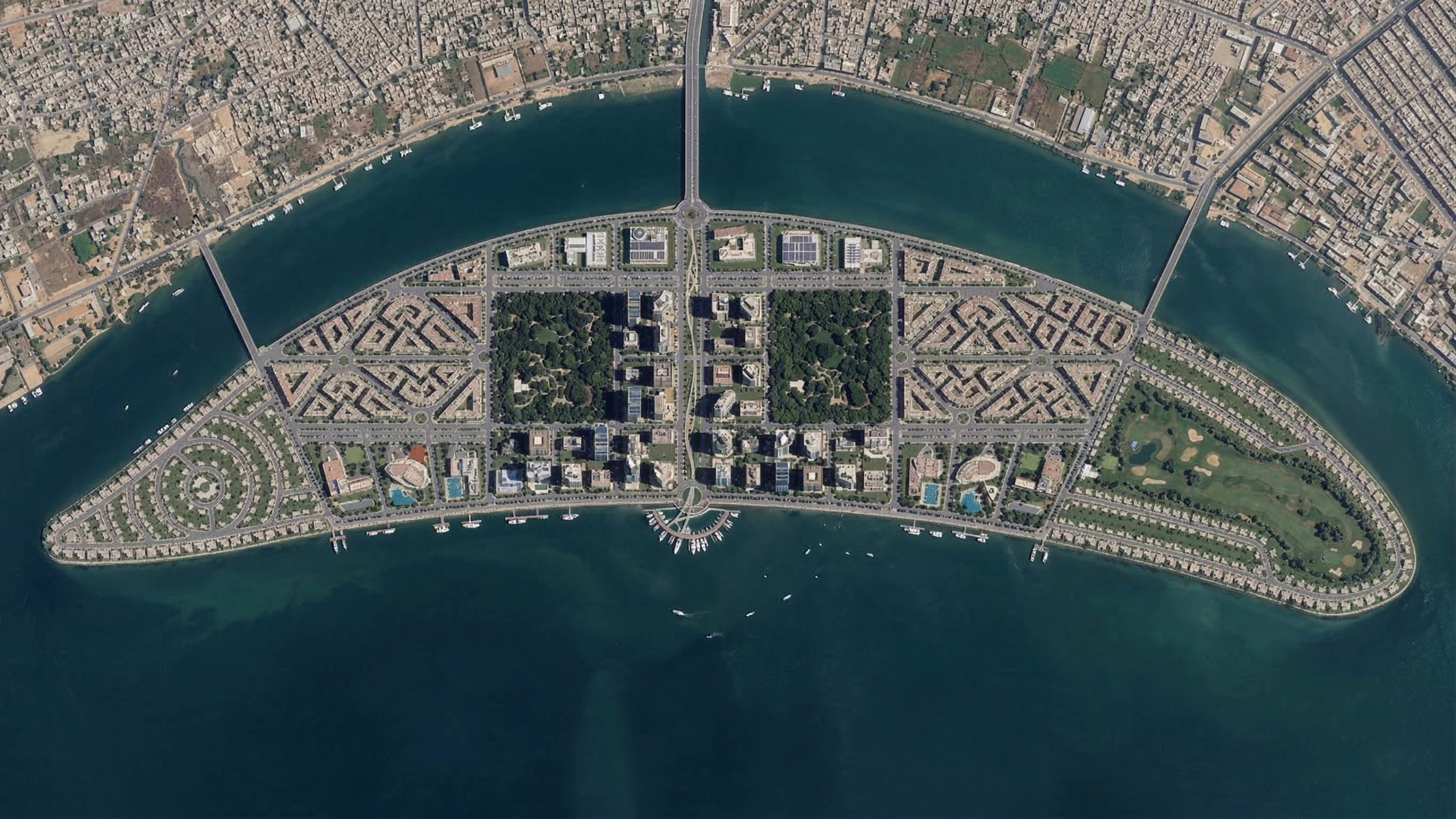
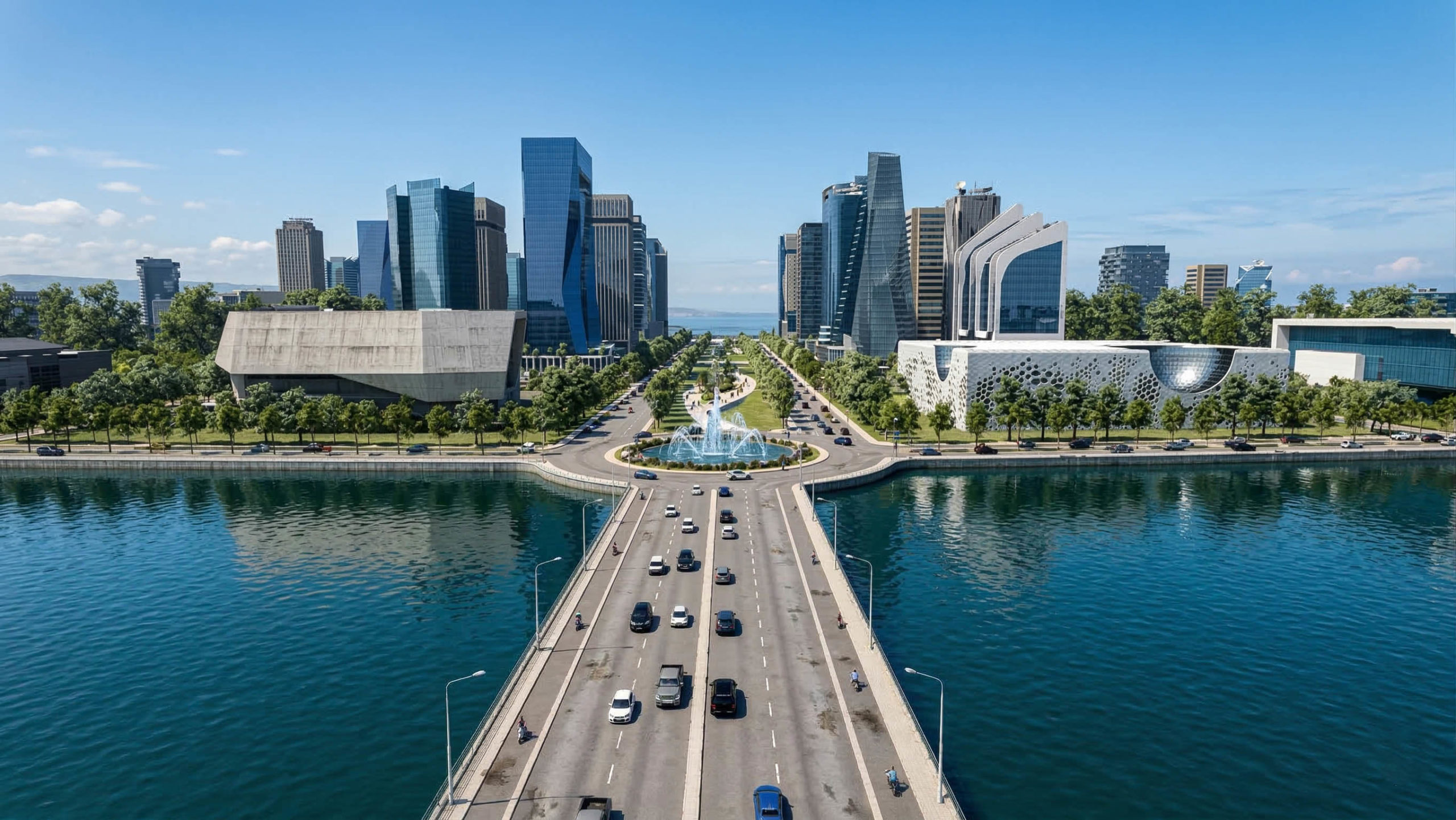
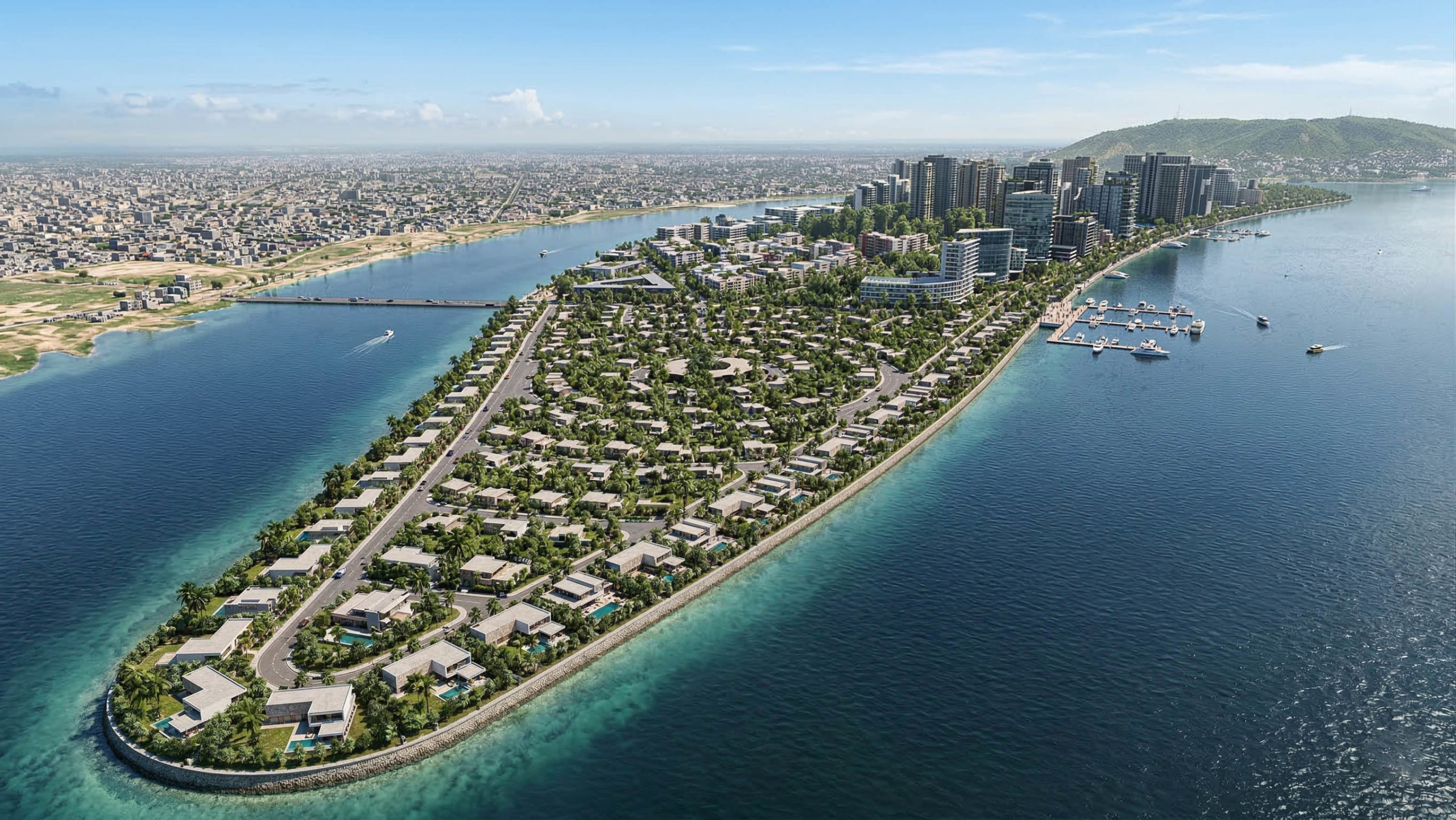
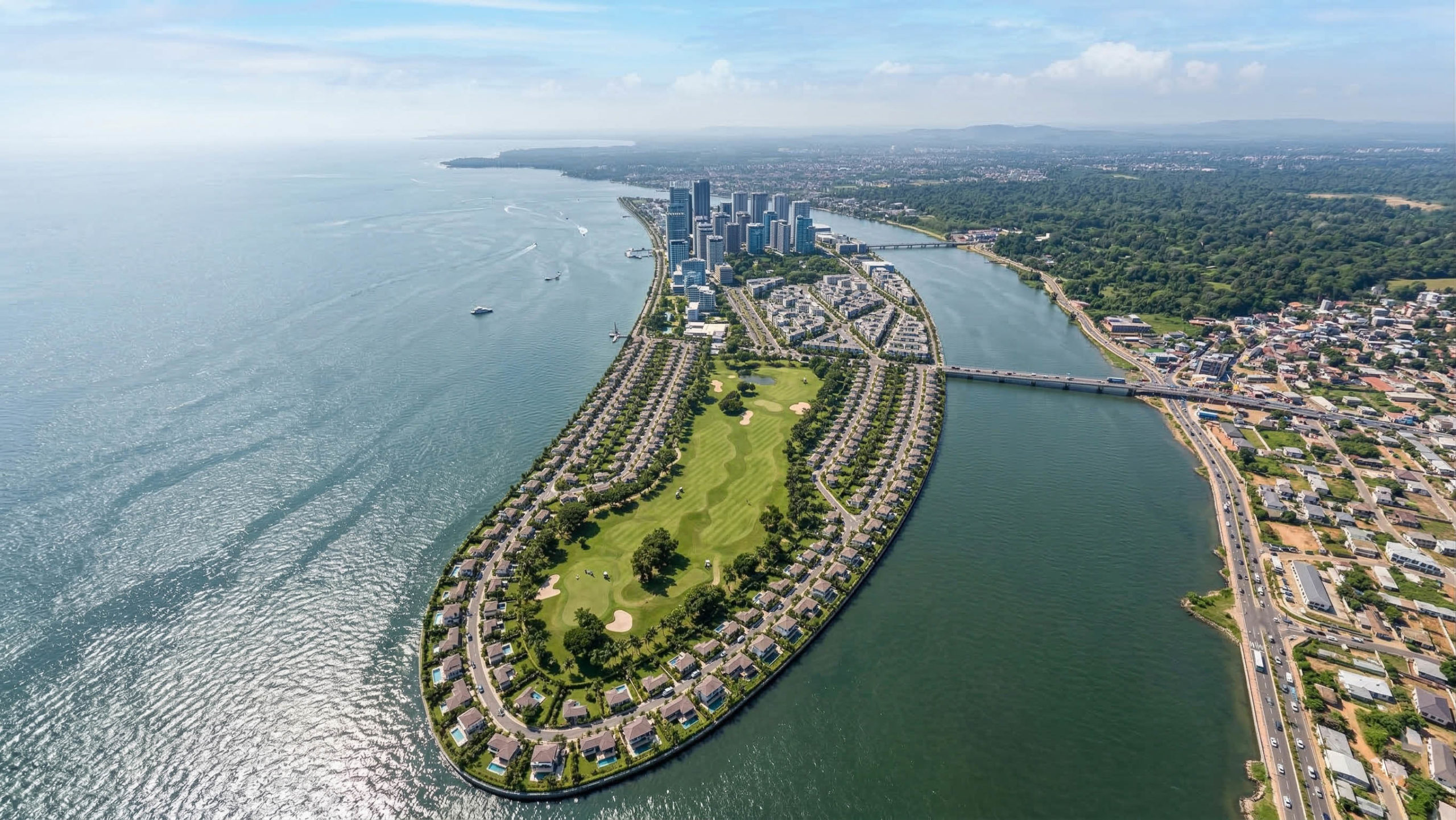
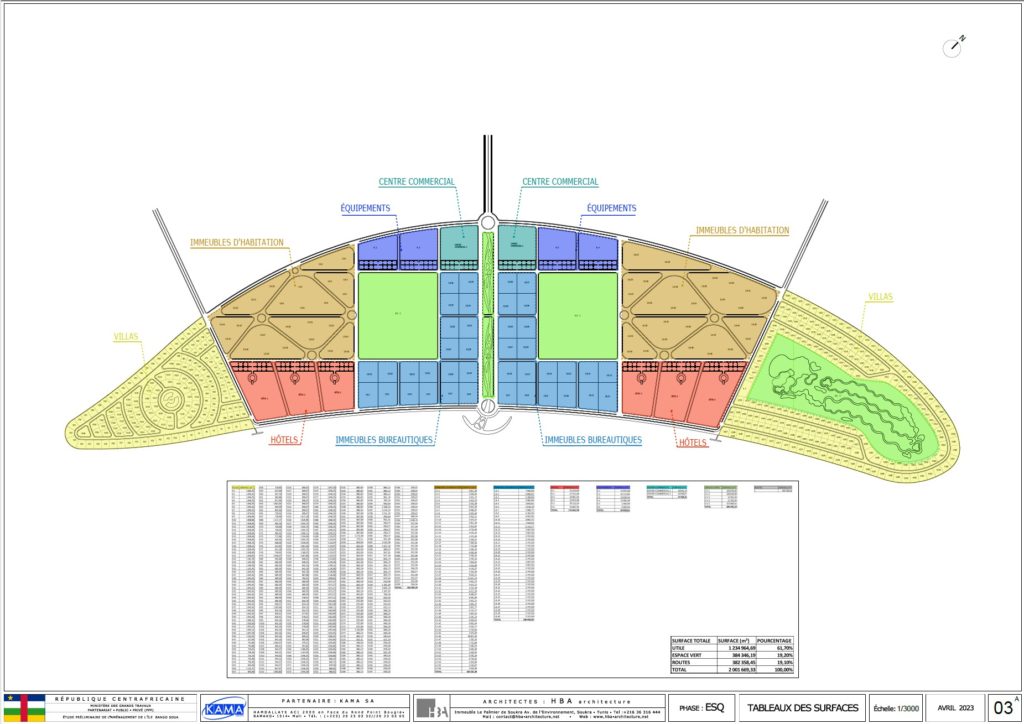
Situé sur l’île de Bango Soua à Bangui, nous avons conçu ce projet de développement urbain de grande envergure, commandé par le Gouvernement de la République centrafricaine dans le cadre d’une vision stratégique de restructuration territoriale et d’expansion urbaine à long terme. S’étendant sur plus de 2 000 000 m², le projet vise à transformer l’île en un nouveau quartier urbain structuré intégrant logements, infrastructures, équipements publics et activités économiques au sein d’un masterplan cohérent.
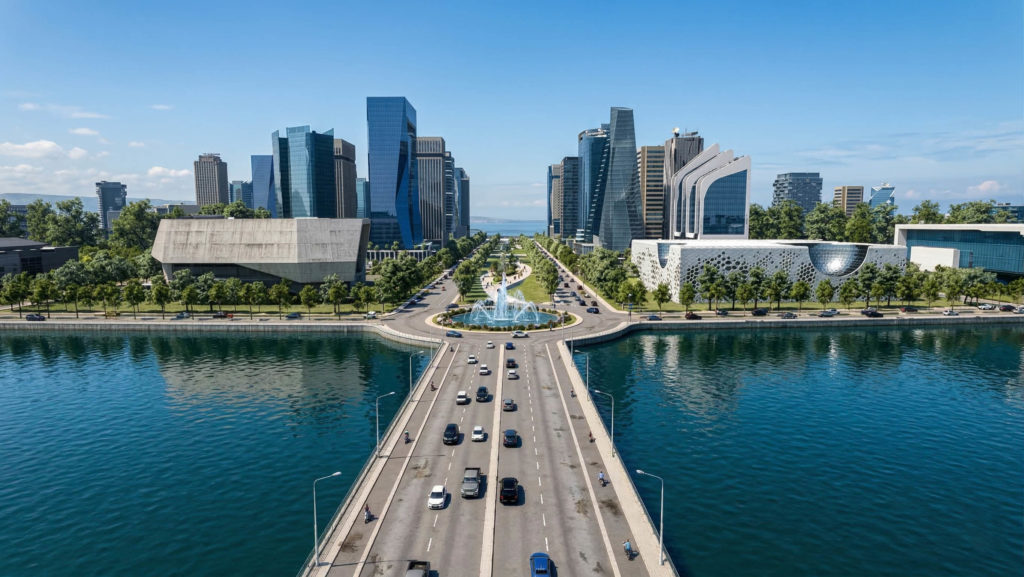
Notre vision architecturale et urbaine repose sur la création d’une entité urbaine autonome, où la mobilité, le paysage et le bâti sont soigneusement articulés afin de soutenir la croissance future. Nous avons conçu le projet non pas comme une simple extension de la ville, mais comme une nouvelle pièce urbaine destinée à renforcer le rôle de Bangui comme pôle central tout en améliorant les conditions de vie et l’accessibilité pour les habitants.
Le principal défi consistait à structurer un territoire aussi vaste dans un contexte marqué par une forte pression démographique et des infrastructures existantes limitées. Le masterplan introduit une hiérarchie claire des voiries, des espaces publics et des zones fonctionnelles, garantissant lisibilité, connectivité et évolutivité à long terme du développement. Une attention particulière a été portée à l’intégration des services essentiels, des équipements sociaux et des infrastructures publiques afin de soutenir une vie urbaine équilibrée et résiliente.
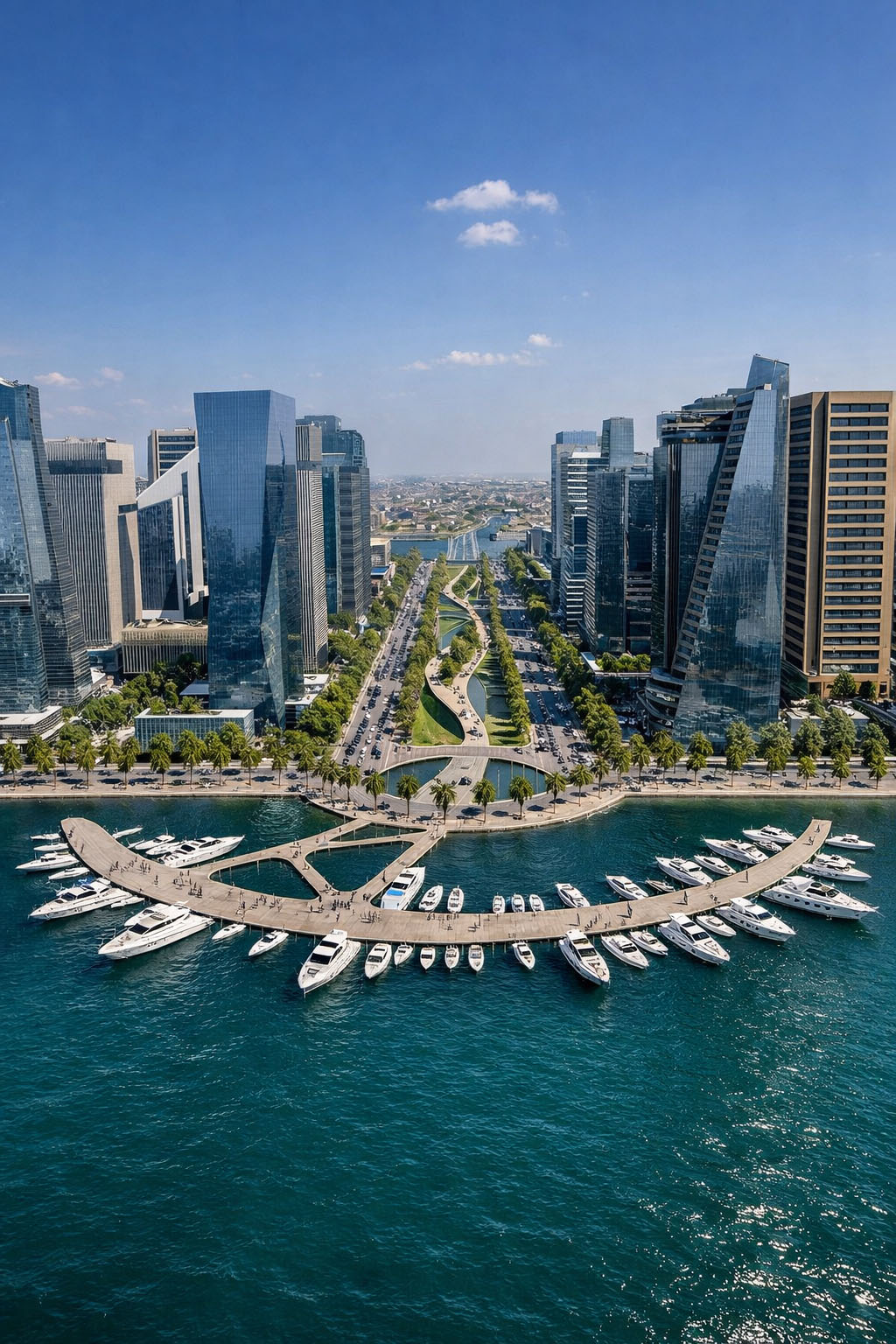
Le paysage joue un rôle fondamental dans notre approche, agissant comme une trame structurante qui organise les quartiers, atténue la densité et crée du confort climatique grâce à des corridors verts et des espaces ouverts. Le tissu urbain est conçu en réponse aux conditions environnementales locales, favorisant la ventilation naturelle, l’ombrage et des environnements favorables aux déplacements piétons.
Par son échelle et son ambition, le développement de l’île de Bango Soua exprime notre vision de l’urbanisme futur en République centrafricaine : stratégique, inclusif et tourné vers l’avenir. Il reflète une approche où architecture et urbanisme travaillent ensemble pour façonner non seulement des formes bâties, mais aussi un cadre territorial et social durable pour le futur.